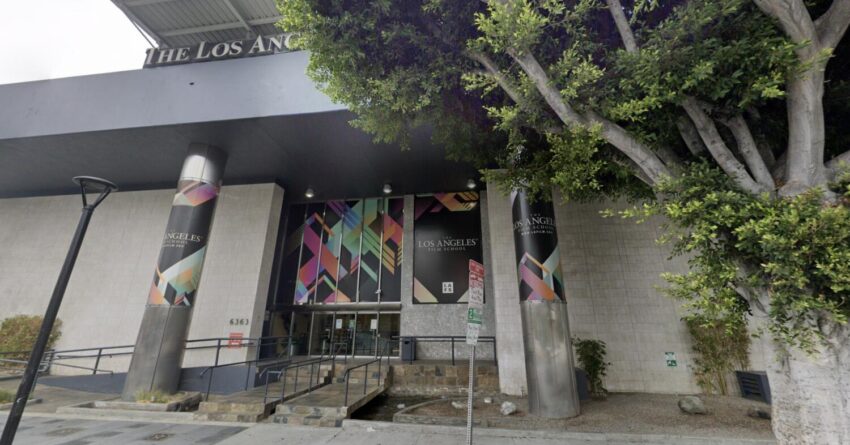
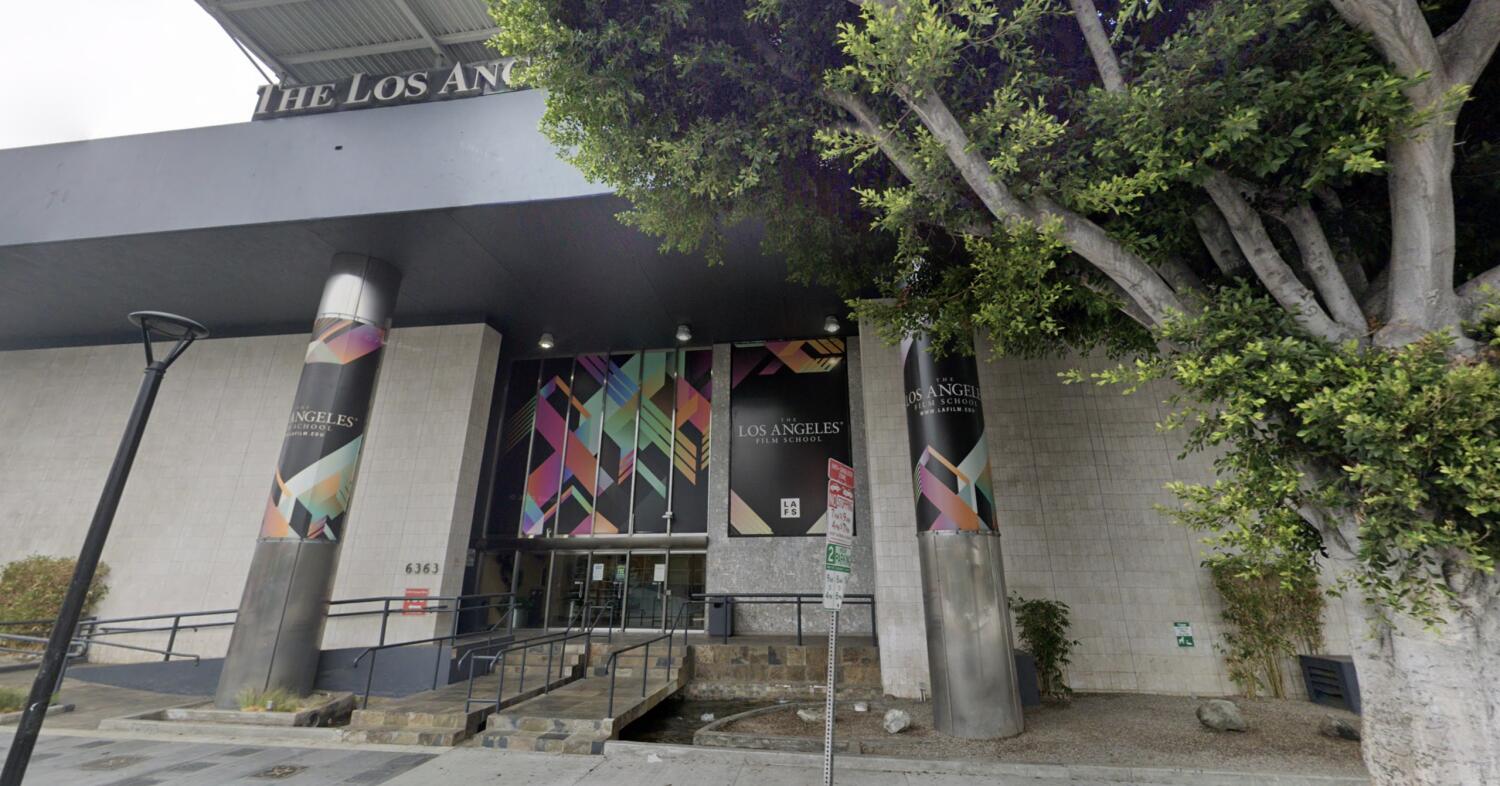
A whistleblower lawsuit filed against the Los Angeles Film School (LAFS) and its affiliated institution, Full Sail University, alleges a decade-long scheme to defraud the federal government of millions of dollars in financial aid. Two former executives, the school’s former VP of career development and VP of admissions, claim that LAFS violated federal employment regulations and accreditation standards to maintain its eligibility for substantial government funding, exceeding $85 million annually, comprised of student loans, veterans’ aid, and other federal assistance.
The core of the lawsuit centers on the allegation that LAFS manipulated its job placement statistics to meet accreditation requirements. Accreditation mandates that at least 70% of graduates secure employment in their field. The plaintiffs contend that the school’s internal reports indicate a far lower rate—only 20%—with most graduates earning less than $5,000 annually in their chosen field. To artificially inflate these figures and secure continued funding, the lawsuit asserts that LAFS created a system of short-term, temporary employment opportunities, costing nearly $1 million between 2010 and 2017, funded through non-profit organizations and vendors. These positions, disguised as “in-house production opportunities” and “post-graduate apprenticeships,” were reportedly designed solely to meet accreditation standards.
The lawsuit further alleges that LAFS violated federal law prohibiting incentive payments based on student enrollment success. The plaintiffs claim that the school misled Department of Education auditors during a 2017 audit, concealing the existence of this compensation system and its ties to the involved vendors. Moreover, they allege that the school actively misled students and prospective students, misrepresenting job placement prospects and making false statements about employment opportunities.
The implications of the lawsuit are significant, given the substantial amount of federal funding received by LAFS and its sister institution, Full Sail University, which receives over $377 million annually in federal financial assistance. The plaintiffs’ claims touch upon the integrity of the accreditation process and raise concerns about the potential misuse of taxpayer money. The lawsuit’s unsealing, following the Department of Justice’s decision not to investigate, leaves the allegations unresolved, but they represent a serious challenge to the school’s operations and reputation. The school’s attorneys have responded to these accusations, stating that the plaintiffs are attempting to resurrect previously investigated and settled allegations. However, the lawsuit’s details raise serious questions about the school’s practices. The Accrediting Commission of Career Schools and Colleges recently renewed the school’s accreditation in 2023, a decision that may now come under scrutiny.
The lawsuit highlights the potential vulnerabilities within the system of accreditation and federal funding for higher education institutions. It underscores the need for greater transparency and accountability in ensuring that institutions are fulfilling their obligations to students and upholding the integrity of federal financial aid programs. The outcome of this lawsuit will have significant implications for LAFS, Full Sail University, and the broader landscape of higher education.