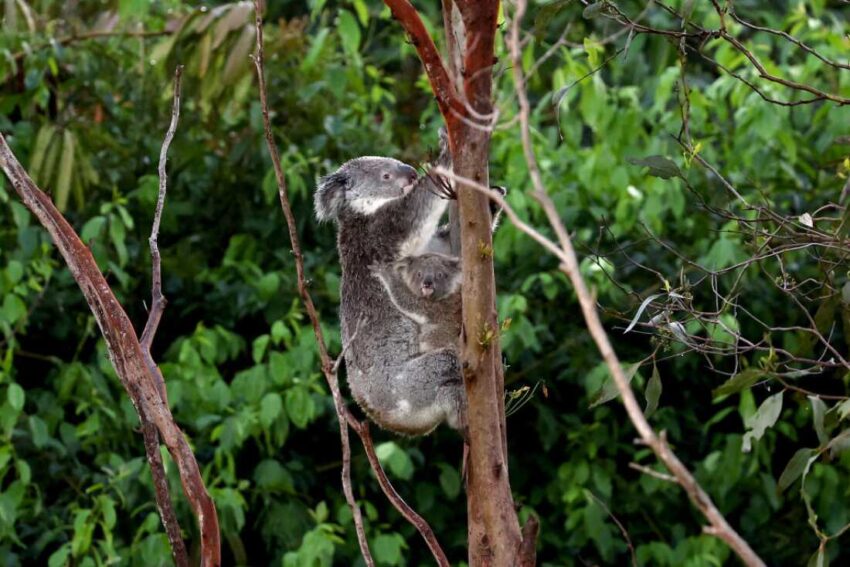
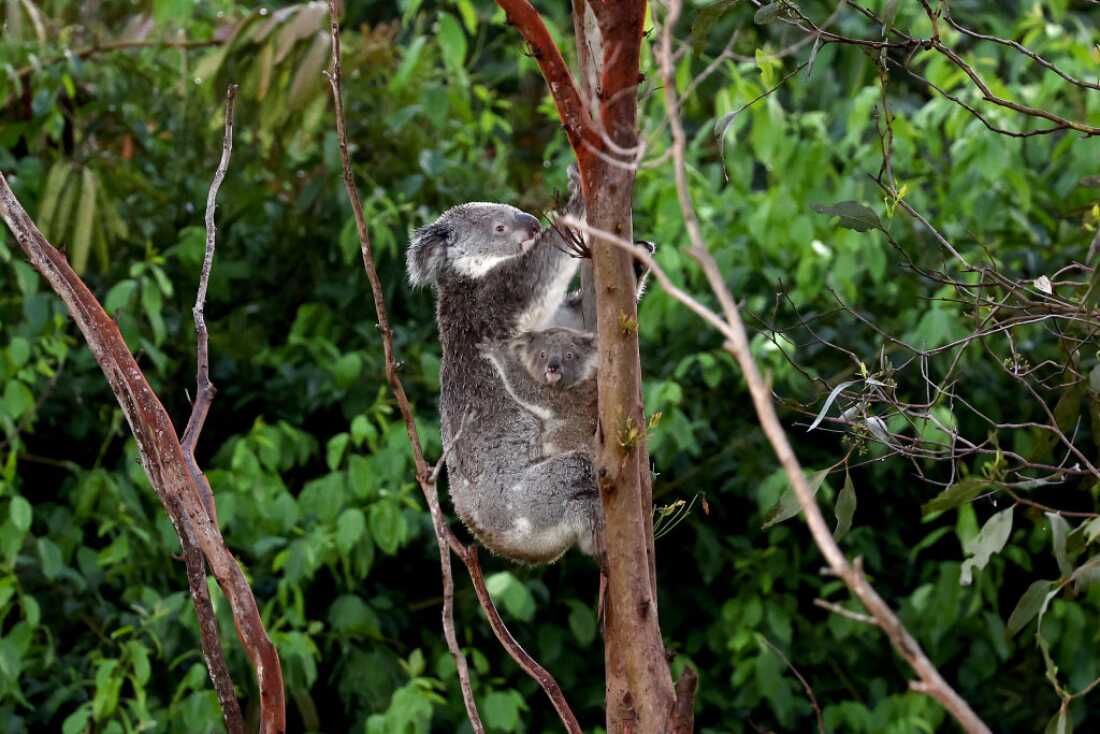
A groundbreaking single-dose vaccine has been approved to combat chlamydia in koalas, a disease posing a significant threat to their survival. Developed over a decade by researchers at the University of the Sunshine Coast, this world-first vaccine offers a crucial tool in the fight against this devastating illness. The disease is particularly prevalent in South East Queensland and New South Wales, with infection rates often exceeding 50%, and sometimes reaching 70% in certain koala populations, pushing some colonies toward extinction. As one researcher stated, some colonies are facing imminent local extinction.
Chlamydia in koalas manifests in severe ways, often causing blindness and starvation due to the inability to effectively climb trees for food. Koala Conservation Australia highlights further complications, including infertility and severe bladder damage leading to hematuria. Transmission occurs through various routes, including mating, infected bodily discharges, and even through infected mothers passing on the disease to their joeys via pap, a substance similar to feces.
While antibiotics have been used, their effectiveness is limited, often failing to prevent reinfection and causing gastrointestinal issues that can hinder digestion of eucalyptus leaves, their primary food source. In severe cases, euthanasia may be the only option. This novel vaccine offers a significant advancement, providing a much-needed alternative. Extensive testing on hundreds of wild and captive koalas has demonstrated the vaccine’s efficacy.
The vaccine, based on Chlamydia pecorum‘s major outer membrane protein (MOMP), offers a three-pronged approach: reducing the risk of infection, preventing progression to the clinical stage, and in some instances, even reversing existing symptoms. A study published last year revealed a 64% reduction in chlamydia-related deaths among koalas during their breeding years. The vaccine has now received approval from the Australian Pesticides and Veterinary Medicines Authority (APVMA) for widespread use, marking a monumental step towards koala conservation. The APVMA confirmed the approval of a permit in June, valid until June 2027.